
Prenatal Care
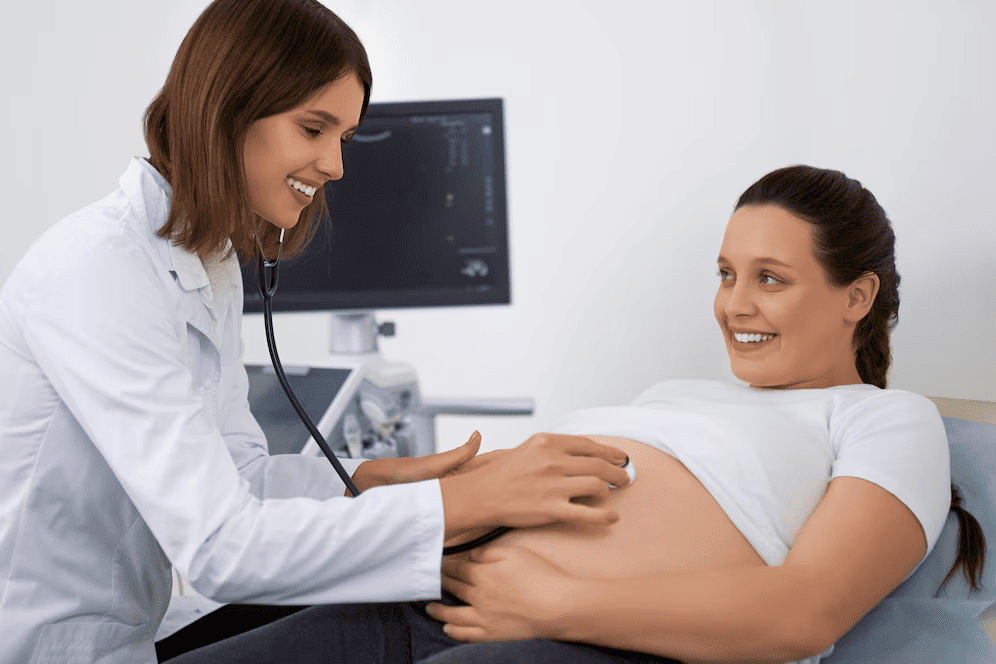
Pregnancy-Related Pelvic & Lower Back Pain:
Pregnancy should be a time of anticipation, not daily discomfort. If you’re experiencing aching across the sacroiliac area, sharp twinges when rolling in bed, or deep pelvic pain that makes simple movements feel daunting — you’re not alone. More than half of women feel lumbopelvic pain during pregnancy. The good news: with the right plan, most improve quickly and stay active throughout pregnancy.
At Marsden Park Chiropractic, we specialise in gentle, pregnancy-safe care that helps stabilise your pelvis, calm irritated joints, and restore confident movement.
What Exactly Is
Pregnancy changes a lot — posture, weight distribution, ligaments, and how muscles coordinate to support your growing baby. Most pregnancy pain falls into one or both of these patterns:
- Pelvic girdle pain: Felt between the iliac crests and the gluteal folds (often around the sacroiliac joints) and sometimes at the pubic symphysis.
- Lumbar pain: Felt more centrally in the lower back, similar to typical non-pregnancy back pain.
Call Us Today!










Why Does It

Pregnancy introduces three big shifts that can expose pre-existing weaknesses:
- Ligament laxity: Hormones like relaxin and oestrogen soften connective tissue to prepare for birth. This isn’t “bad” but if your pelvic stability was borderline before, it can tip the balance.
- Postural load: Natural increases in weight and lumbar lordosis can stress joints that aren’t stabilising well.
- Fluid changes: Late-pregnancy swelling can irritate soft tissues and nerves, contributing to cramping or aching.

Signs You’re In the
Women who benefit most from our approach often report:
- Deep aching across one or both sacroiliac joints, sometimes referring into the buttock or back of the thigh.
- Pain that does not travel below the knee.
- Difficulty with rolling in bed, standing up, or prolonged walking.
- Night-time calf aching or mild cramps.
- Past episodes of back or pelvic pain, especially during a previous pregnancy.
Call Us Today!
How We Assess (Pregnancy-Safe, Always)
At Marsden Park Chiropractic, be assured that your consultation is calm, specific, and hands-on without being heavy-handed. We will:
- Clarify your pain pattern (lumbar vs pelvic girdle vs mixed).
- Screen for non-musculoskeletal causes to keep you safe.
- Use comfortable, validated provocation tests to confirm which joints and tissues need help.
- Check how your pelvis stabilises during simple tasks (like an assisted straight-leg raise) to see where your system needs support.
Your Personalised Care Plan

There’s no one “magic” technique — what works best is a thoughtful combination tailored to you:
- Gentle, pregnancy-safe manual care: Light mobilisation and side-lying techniques to reduce joint irritation and improve sensory feedback that supports better muscle activation.
- Smart stability exercises: Simple, targeted drills to improve glute timing, deep core support, and pelvic control. Think quality over quantity — no risky or exhaustive routines.
- Movement coaching: Pain-reducing tweaks for rolling, standing, walking, and sleeping positions.
- Activity guidance you can trust: Walking and swimming are often great; we’ll show you how to pace and progress safely.
- Support options: Pelvic support belts can help some women for short periods, adding a sense of security and awareness. We’ll show you when and how to trial one.
What Results Can I Expect?
Every pregnancy is unique, but many patients experience:
- Easier transitions (rolling in bed, standing up, getting out of the car)
- Reduced sharp or aching pain around the SI joints and pubic area
- More confident walking and standing
- Better sleep routines with fewer night-time flare-ups
- A clear plan for staying active and feeling supported through to birth and beyond
When To Seek Care?

Book promptly with Marsden Park Chiropractic if you notice:
- Increasing pelvic or low back pain that interferes with sleep or daily tasks
- Pain when weight-bearing on one leg or difficulty lifting a leg when lying down
- A history of similar pain in a previous pregnancy
- Worry or uncertainty about what you should or shouldn’t be doing
Why Choose Marsden Park Chiropractic?
Pregnancy-focused expertise:
We understand the unique mechanics of the pregnant pelvis and adapt care to each trimester.
Gentle, evidence-aligned methods:
Light, specific techniques with clarity about what helps and what doesn’t.
Coordination with your care team:
We’re happy to communicate with your GP and obstetrician so your support network works together.
Take the Next Step Today
You don’t have to “brace and wait it out.” Small, precise changes can make a big difference in your comfort and confidence.
Book your pregnancy consultation at Marsden Park Chiropractic today:
- Call us: 0426 966 170
- Book online: Online Booking
- Visit us: 3 Riverina St, Melonba NSW 2765.
