
Slipped Disc
Get Relief from Slipped Disc Pain
A slipped disc (lumbar disc herniation) can cause intense lower back pain, leg discomfort, or numbness. Fortunately, most people recover without surgery. Marsden Park Chiropractic provides evidence-based, conservative care designed to support your body’s natural healing process. We carefully triage for red flags, arrange imaging and specialist referrals when needed and focus on safe, targeted treatments to relieve pain and restore mobility. Our goal is to help you move better, feel stronger, and recover confidently, without unnecessary intervention.

Other
Back Pain
Neck Pain
Headaches & Migraines
Sciatica
Sports Injuries
Posture Problems
Workplace Injuries
Neck Pain
- Whiplash
- Non-specific Neck Pain
- Torticollis


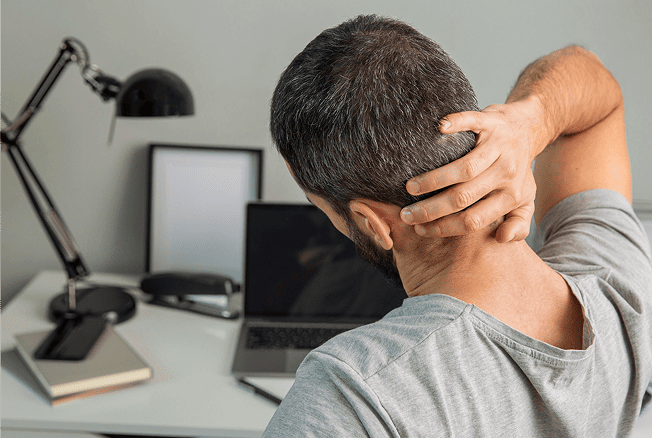
What Is A Slipped Disc?
A lumbar disc herniation happens when the disc’s inner gel pushes through the outer ring, sometimes irritating a nearby nerve (sciatica). Pain, tingling, or weakness can travel down the leg.
Symptoms We See
- Low back pain ± sharp leg pain
- Tingling/numbness in leg/foot
- Possible weakness (For example: trouble heel/toe walking)
Recovery: What To Expect:
- Many herniations shrink or resorb over weeks to months (often 6–12 weeks)
- Progress isn’t perfectly predictable; some improve quickly, others fluctuate
- Larger extrusions/sequestrations often resorb faster; Modic changes may relate to pain behaviour
When Do You
Not always needed early
Consider sooner if:
- Red flags: bowel/bladder changes, saddle numbness, progressive weakness, fever, trauma, cancer history
- Severe or worsening deficits
- Symptoms persist beyond 6–8 weeks despite good care
What MRIs tell us:
- Type/size/location of herniation (extrusion/sequestration can predict higher resorption)
- Nerve root contact/impingement
- Endplate/Modic changes that may guide care
Evidence Snapshot
Call Us Today!
Guidelines (National Institute for Health and Care Excellence and the American College of Physicians): manual therapy, exercise, and education are appropriate parts of non-invasive care for low back pain and sciatica.
RCT (McMorland et al.):in surgical candidates with sciatica, ~60% improved with spinal manipulation to similar outcomes as microdiscectomy. This suggests manipulation can be a first-line option before surgery for many
RCT (Santilli et al.): manipulation showed benefits in acute back pain/sciatica
Multiple imaging studies (Cribb, Takada, Autio, Rajasekaran, Shan): spontaneous disc resorption is common, especially with extrusions/sequestrations; MRI features help with prognosis but don’t guarantee outcomes
Your Care

Weeks 0–2:
Assess, screen red flags, start pain-modulated care, activity guidance
Weeks 2–6:
Progress exercises, consider manipulation/mobilisation as tolerated, nerve glides, ergonomic/load strategies
Weeks 6–12:
If limited progress, consider MRI, multidisciplinary input (For example: pain specialist for injections), and surgical opinion when indicated
Immediate referral anytime for red flags or progressive neurologic deficit
What We Do
- Careful examination and risk stratification
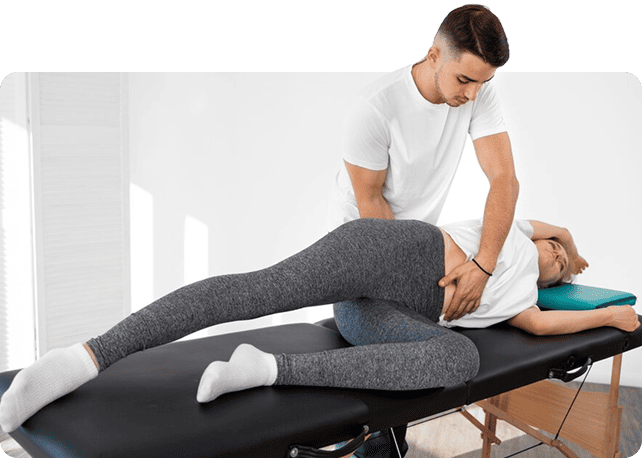
- Gentle to firm manual therapy (mobilisation or manipulation when appropriate)
- Directional preference/graded movement, nerve glides, core/hip strengthening
- Education on recovery expectations and pacing
- Load management for work/sport; sleep and flare strategies
Dos And Don’ts
- Do: keep walking/moving within tolerance; use short-term pain relief strategies; pace activities; follow a graded plan
- Don’t: bed rest for days; push through severe leg pain/weakness; panic over MRI language; findings need context
When To Seek Urgent Care
- New bowel/bladder changes or saddle numbness
- Rapidly worsening leg weakness
- Severe, unrelenting night pain with systemic symptoms (fever, unintentional weight loss)
- Significant trauma
Frequently Asked
Is Chiropractic Safe For Disc Herniations?
Yes, when properly assessed and tailored. We select techniques based on your presentation and tolerance.
Can Manipulation Make It Worse?
Appropriately-applied manipulation is supported by evidence for some patients. We only use it when indicated and safe.
How Long Until I Feel Better?
Many improve within 6–12 weeks, with ups and downs normal along the way.
Do I Need An MRI First?
Not usually. We imagine red flags, significant deficits, or stalled progress.
Can Discs Heal On Their Own?
Yes! Spontaneous resorption is common, especially with certain herniation types.
When Is Surgery Needed?
Persistent disabling pain/deficits after quality conservative care, or red flags/progressive weakness.
What About Injections/Meds?
They can help with symptom control. We coordinate with your GP/specialists as needed.
Ready To Get Started?
Book an appointment online or call Marsden Park Chiropractic. Our team will guide you step by step. Bring prior imaging/reports if you have them.
