
Headaches & Migraines
Headache Treatment In Marsden Park —
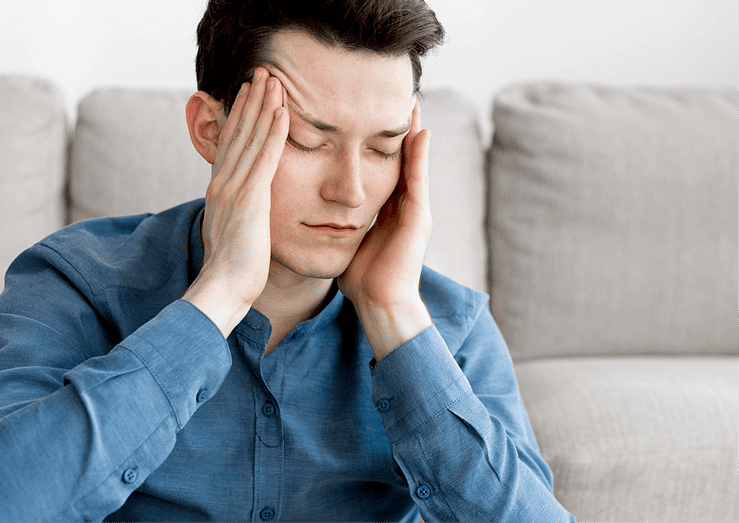
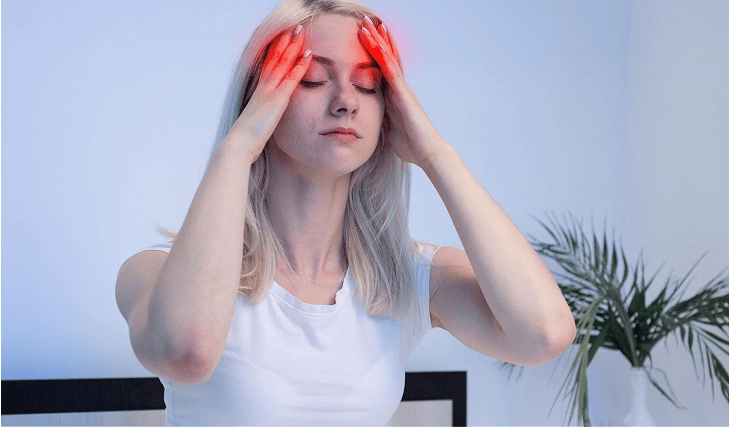
Are headaches stopping you from living and working at your best? Marsden Park Chiropractic specialises in assessing and treating common headache types with an evidence-based, neck-focused approach.
Whether your pain starts in the neck and spreads to the forehead, or you experience tension or migraine features, we’ll pinpoint the drivers and create a personalised plan to relieve pain and prevent recurrence.
Other
Back Pain
Neck Pain
Sciatica
Sports Injuries
Posture Problems
Slipped Disc
Workplace Injuries
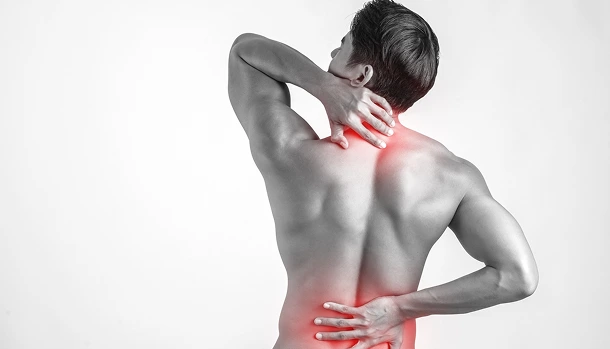
Neck Pain
- Whiplash
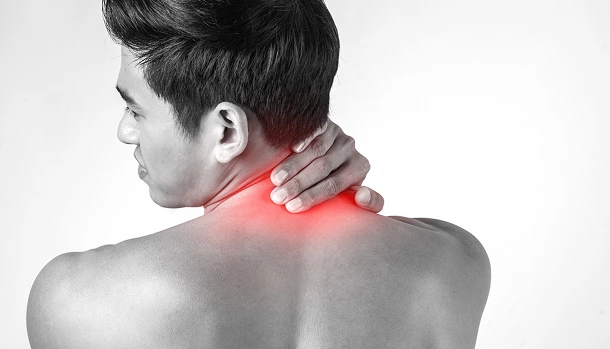
- Non-specific Neck Pain
- Torticollis


Why Choose Marsden Park Chiropractic Care For Headaches?
- Expert differential diagnosis of cervicogenic, tension-type, and migraine headaches
- Thorough assessment of neck and upper thoracic function linked to headache referral
- Targeted, hands-on care plus rehabilitation to improve stability and resilience
- Precise outcome tracking and communication with your GP when appropriate
Common Headache Types We Treat
Cervicogenic Headache (Neck-Related Headache)
- Presentation: Non-throbbing pain that often starts in the neck/suboccipital area and spreads to the forehead or behind the eye; commonly one-sided.
- Triggers: Neck movement (looking up, turning to check blind spots), sustained postures, pressure over upper cervical joints.
- Mechanism: Convergence of neck and head pain pathways in the trigeminocervical nucleus; sensitisation of second-order neurons can widen referral.
- Best responders: People with apparent neck-driven symptoms typically respond well to targeted cervical and upper thoracic care plus deep neck stabilisation.
Tension-Type Headache
- Presentation: Pressing/tightening, mild–moderate, often bilateral; not worsened by routine activity; minimal nausea or light/sound sensitivity.
- Neck involvement: Neck tenderness and muscle tension are common, but the neck may not be the primary driver.
- Care focus: Manual therapy for muscle/joint contributors, stress and sleep strategies, aerobic activity, posture and work setup.
Migraine (With or Without Aura)
- Presentation: Moderate–severe, often throbbing, worsened by activity; may include nausea, photophobia/phonophobia; aura is transient neurological symptoms (<60 minutes).
- Neck involvement: Neck pain can co-exist but is not usually the primary cause.
- Care focus: Co-management with medical care as needed; cervical inputs and occipital nerve–related strategies may modulate sensitivity for some patients.
Our Headache Assessment Process
Your first visit at Marsden Park Chiropractic includes a comprehensive history and targeted exam to identify the headache source and predict response to care.
Step
01
History Highlights
- Onset sequence: Does pain begin in the neck and spread forward, or the reverse?
- Triggers and aggravators: Neck movement, sustained postures, exertion
- Associated features: Nausea, light/sound sensitivity, aura, “heavy head”
- Frequency and medication use to screen for medication-overuse headache
Step
02
Red Flag Screening
- Thunderclap or new severe headache, progressive worsening
- Fever, meningism, neurological deficits
- Headache with exertion/Valsalva, pregnancy/postpartum
- Signs of arterial dissection or systemic disease
- We refer promptly if any red flags are present.
Step
03
Physical Examination
- Cervical range of motion (especially extension and rotation)
- Segmental joint testing C0–C3 and upper thoracic spine; concordant pain referral
- Flexion–Rotation Test (FRT) at C1–C2: normal ≈ 40–44°; <32° or ≥10° asymmetry suggests dysfunction
- Cranio-Cervical Flexion Test (CCFT) for deep neck flexor (DNF) activation/endurance
- Posture, scapular control, thoracic mobility; myofascial tenderness (suboccipitals, SCM, upper traps, levator)
These validated tests help us distinguish cervicogenic headache from tension-type and migraine with impressive accuracy.
How Our Chiropractic Care Can Help Headaches
Call Us Today!
Manual Therapy (Cervical And Upper Thoracic)
- Improves joint mobility, reduces nociceptive drive from C0–C3 and T2–T6
- May downregulate trigeminocervical sensitisation and improve descending pain modulation
Targeted Rehabilitation
- Deep neck flexor activation and endurance (CCFT-guided)
- Scapular stabilisation (lower traps, serratus), thoracic mobility drills
- Suboccipital lengthening and motor control retraining
Ergonomics And Lifestyle
- Workstation setup, microbreaks, sleep, and stress strategies
- Medication stewardship to avoid medication overuse headache
Outcome Tracking
- Headache diary (frequency, intensity, duration, medication)
- Reassess FRT angles, ROM, and CCFT levels to document progress
Typical plan: An initial 3–4 week trial combining hands-on care with exercises and posture strategies, followed by periodic reviews and step-down to a home program.
Who Is Likely to Benefit the Most?
You may be a strong candidate if you:
- Have headaches that start in the neck and spread to the forehead/eye
- Notice aggravation with looking up or turning your head (For example: while driving)
- Feel a heavy head and constant neck/shoulder tightness
- Have a history of neck pain, stiffness, or whiplash
- Get a temporary reproduction of your typical headache with pressure over the upper neck
What To Expect From Marsden Park Chiropractic Process
1
Initial consultation
Detailed history, red flag screening, targeted cervical and headache exam, clear diagnosis, and plan.
2
Personalised treatment
Specific spinal adjustments/mobilisation, soft tissue care, and a customised exercise program.
3
Education and tools
Easy cues for posture and microbreaks, sleep and stress tips, and a simple home exercise plan.
4
Review and refine
We monitor objective measures and your headache diary to fine-tune your care.

Patient Success Indicators
- Fewer headache days per month
- Reduced intensity and duration
- Less medication reliance
- Better neck mobility and control (improved FRT angles and CCFT levels)
- Improved work tolerance and daily function
Frequently Asked
Are All Headaches Caused By The Neck?
No. Tension-type and migraine are primary headaches with central mechanisms. However, many people also have neck dysfunction that can trigger or amplify pain. Cervicogenic headache is specifically neck-driven.
How Do You Know If My Headache Is Cervicogenic?
We look for a pattern of neck-originating, non-throbbing pain that spreads frontally, is provoked by neck movements or pressure, with reduced cervical ROM, a positive Flexion–Rotation Test, and DNF weakness.
Can Chiropractic Care Help Migraines?
At Marsden Park Chiropractic, we can address neck-related contributors and help modulate sensitivity for some patients. We often co-manage with your GP for migraine-specific options.
How Quickly Will I See Results?
Many patients notice changes within 2–4 weeks. Complex or long-standing cases may take longer. We set clear goals and track outcomes.
Is The Treatment Safe?
We screen for red flags and use techniques suited to your presentation. We communicate with your GP when needed.
What If I Take Pain Medication Frequently?
We’ll review safe use to avoid medication overuse headache and focus on strategies that reduce your reliance on medication.
Do I Need Imaging?
Not usually for common headache types unless red flags are present or your presentation is atypical.
Ready To Tackle Your Headaches? Book A Consultation Today!
If you’re looking for a chiropractor specialising in headaches near Marsden Park who combines precise diagnosis with targeted hands-on care and evidence-based rehab, we’re here to help.
- Book your assessment today: Contact Marsden Park Chiropractic.
- Prefer to speak first? Call us to see if our approach suits your headache pattern.
- Bring your headache diary and any prior reports to your first visit.
